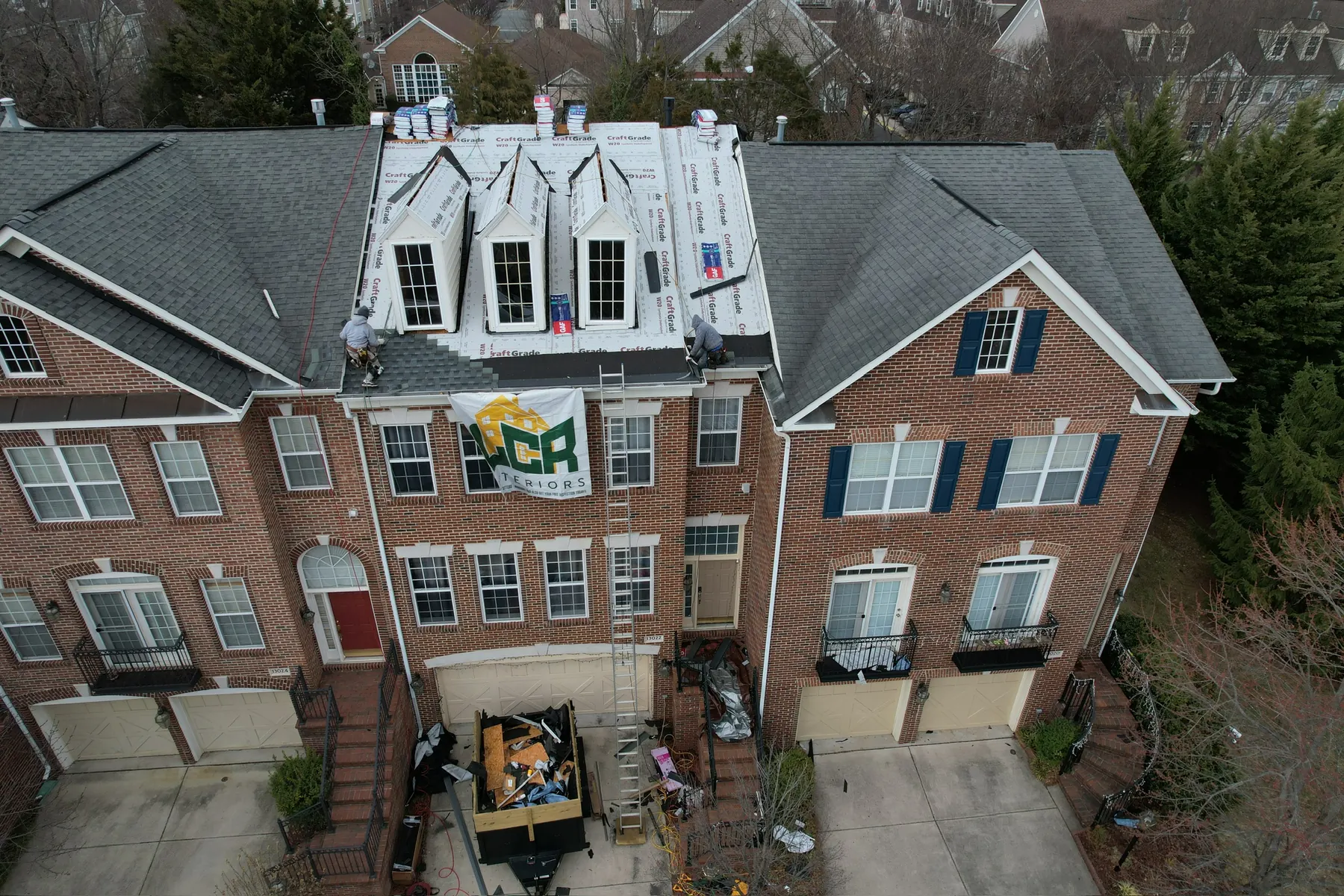
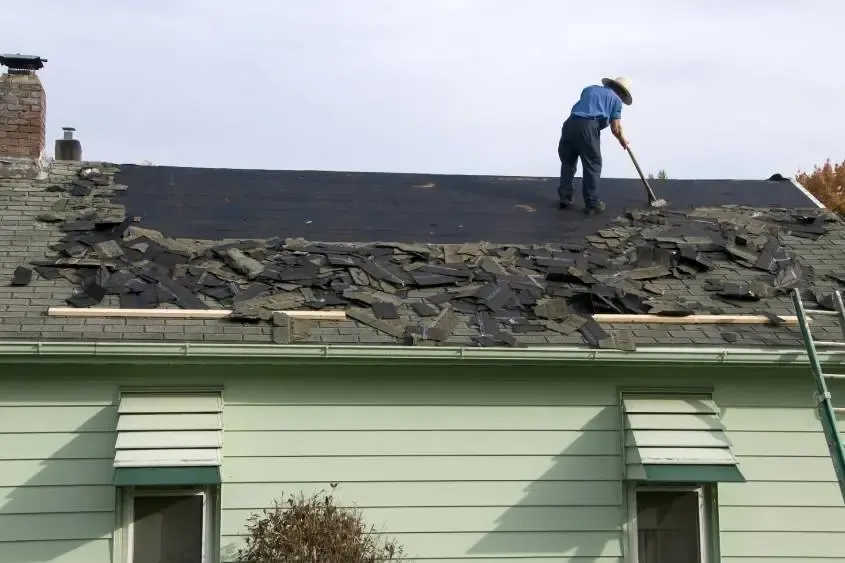
Roof Repair vs. Roof Replacement Northern VA: Which Option Is Right for Your Home?
Homeowners in Northern Virginia often face a tough choice: should they repair their roof or replace it entirely? This decision can impact your home's safety, value, and energy efficiency. A professional roof inspection can help you decide between repair and replacement based on your roof's age, condition, and damage extent.
Roof repairs can fix small issues like leaks or damaged or missing shingles. They cost less and take less time than a full roof replacement. But sometimes repairs are just band-aids that don't solve bigger problems.
Getting a complete roof replacement is like a fresh start. It can add value to your property and make it more energy efficient. At the same time, new roofs come with warranties to ensure you have no worries about the longevity of their service. However, there are negatives: they require substantial upfront costs and require a full installation.
Key Takeaways
- Professional inspections help determine if repair or replacement is the best solution
- Repairs fix minor issues while replacements solve major problems
- New roofs improve home value and come with warranties
Assessing Your Roof's Condition
Knowing your roof's condition is key in making an informed decision between repair or replacement choices. Regular checks help catch problems early and save you money in the long run.
Identifying Common Roofing Issues
Look for signs of roof damage. Missing or curled shingles are a big red flag. Check for cracks, holes, or bald spots where granules have worn off. Water stains on your ceiling or walls inside point to leaks. Outside, look for sagging areas or moss growth, which can trap moisture.
Peeling paint or dark spots on exterior walls may mean your roof is letting water in. In your attic, check for sunlight coming through the roof boards. This means you have gaps that need fixing. Rusty nails or a damp smell in the attic are also signs of roof trouble.
The Importance of Regular Roof Inspections
Get your roof checked at least once a year. Spring and fall are good times for this. A professional roofer can spot issues you might miss. They can check hard-to-reach spots and use special tools to find hidden leaks. Regular checks catch small problems before costly damage occurs. They also help your roof last longer. Keep records of these checks to track your roof's health over time. After extreme weather conditions, it's smart to have an extra check. High winds and hail can cause significant damage you can't see from the ground.
Understanding the Lifespan of Different Roof Materials
Your roof's life depends on what it's made of.
- Asphalt shingles, the most common type, last about 20-30 years.
- Metal roofs can go 40-70 years with good care.
- Clay tiles are tough and can last 50-100 years.
- Wood shakes look nice but need more upkeep. They typically last 30 years.
- Slate roofs are the champs, often lasting over 100 years. But they're heavy and need strong support.
Weather affects how long roofs last too. Harsh sun, heavy rain, or lots of snow can shorten a roof's life. Good ventilation and insulation help your roof last longer, no matter what it's made of.
Roof Repair: Addressing Minor to Moderate Issues
Roof repairs can fix many common problems and extend your roof's life. Quick action on small issues prevents bigger headaches down the road.
Benefits of Timely Repairs
- Fixing roof problems early saves you money. Small leaks can lead to big water damage if left alone. Repairs stop issues from getting worse.
- Timely fixes also keep your home safe and dry. A well-maintained roof protects you from the weather. It keeps out rain, snow, and pests.
- Regular upkeep makes your roof last longer too. Patching holes and replacing damaged roof parts add years to its life. This puts off the need for a full roof replacement.
Cost-Effective Solutions for Minor Repairs
Minor roof fixes are often cheap and quick. Simple jobs may only need a few new shingles or some sealant. These small repairs cost much less than replacing your entire roof.
You can sometimes do easy fixes yourself. Putting on new shingles or caulking gaps are doable DIY jobs. But be careful - roof work can be dangerous.
For trickier problems, hire a professional contractor. They have the tools and know-how to do the job right. Labor costs for small repairs are usually low.
Navigating Insurance Claims for Storm Damage
Storm damage may be covered by your home insurance. Check your policy to see what's included. Many plans pay for repairs from severe weather, wind, hail, or fallen trees.
Take photos of any damage right away. This helps with your insurance claim. Call your insurer quickly to start the process.
An adjuster will check out the damage. They decide if your policy covers the repairs. If approved, you can hire a roofer to fix the problems.
Some roofers will work directly with your insurance company. This makes the claims process easier for you. Ask about this service when getting quotes.
Roof Replacement: Investing in Your Home's Future
Replacing your roof is a big decision that impacts your home's value and protection. Let's look at when it's needed, what it costs, and how to choose materials.
Determining When a Full Replacement is Necessary
Your roof may need replacing if it's over 20 years old or has extensive damage. Look for:
- Missing or curling shingles
- Sagging areas
- Water stains on ceilings
- Daylight through roof boards
After extreme weather, check for loose shingles or gaps. If repairs cover more than 30% of your roof, replacement is often smarter. Don't wait for leaks - they can cause hidden water damage.
Calculating the Cost of a New Roof
The price of a new roof depends on:
- Size of your home
- Roof pitch and complexity
- Materials used
- Labor costs in Northern Virginia
For an average home, expect to pay $10,000-$20,000. Larger or more complex roofs cost more. Get quotes from at least 3 trusted contractors. Ask about:
- Warranty terms
- Cleanup and disposal
- Permit fees
Good contractors offer free estimates. The cheapest bid isn't always the best - focus on value and quality.
Choosing the Right Materials for Durability and Aesthetics
Pick roofing that suits your climate and style. Options include:
- Asphalt shingles: Affordable and popular
- Metal: Long-lasting but pricier
- Slate: Very durable, high-end look
- Clay tiles: Good for warmer areas
Think about color too. Darker shades absorb heat, while lighter ones reflect it. This affects your home's energy use.
Quality materials cost more upfront but can save money long-term. They resist weather damage better and may boost your home's resale value.
Roofing Contractor Selection
Find roofing firms that have been in operation for many years in Northern Virginia. Inquire about their years of service as well as the kinds of roofs they have dealt with. Check to ensure they are licensed and insured.
Contractor Experience and Customer Satisfaction Evaluation
Make sure the company knows Fairfax County building codes. They should be able to get any needed permits. A pro will explain the whole process to you clearly. Look at ratings on trusted websites. Ask the contractor for references you may call. Happy customers often mean good work. This step will help you have peace of mind.
Understanding the Impact of Quality Workmanship
Good work makes your roof last longer. Skilled roofers use the right materials and techniques. This helps prevent leaks and other problems down the road.
A well-installed roof can save you money on energy bills. It keeps your home warmer in winter and cooler in summer. This is good for your wallet and the planet.
Cheap work often leads to costly fixes later. A pro might cost more upfront but can save you cash in the long run and is the best choice. They'll do the job right the first time.
Ask about warranties on materials and labor. A good contractor stands behind their work. They'll be there to help if issues come up later.
Frequently Asked Questions
Homeowners in Northern Virginia face important choices about repairing or replacing their roofs. These common questions cover key factors to consider.
What are the key signs that indicate a roof needs replacement rather than repair?
Look for widespread shingle damage or loss. Check for sagging areas on your roof. Multiple leaks point to replacement needs. Age is crucial - roofs over 20 years old often need full replacement.
How do roof repair costs compare to replacement costs in Northern Virginia?
Repairs typically cost $300 to $1,500 for small issues. Full replacements run $5,000 to $15,000 for most homes. Your exact costs depend on roof size and the materials used.
Can frequent roof repairs extend the lifespan of a roof similar to a full replacement?
Regular repairs can add a few years to your roof's life. But they won't match a new roof's longevity. Frequent fixes often signal it's time for replacement soon.
What factors should be considered when choosing between roof repair and replacement?
Check your roof's age and overall condition. Compare repair costs to replacement prices. Think about how long you plan to stay in your home. Consider energy efficiency gains from a new roof.
How does the local Northern Virginia climate impact the longevity of roofing materials?
Hot summers and cold winters stress roofing materials. Heavy rains and snow can cause damage over time. Choose materials rated for Northern Virginia's temperature swings and moisture.
What is the average lifespan of a residential roof in Northern Virginia?
Asphalt shingles last 15-30 years. Metal roofs can last 40-70 years. Slate and tile roofs may last over 100 years. Proper maintenance helps roofs reach their full lifespan.