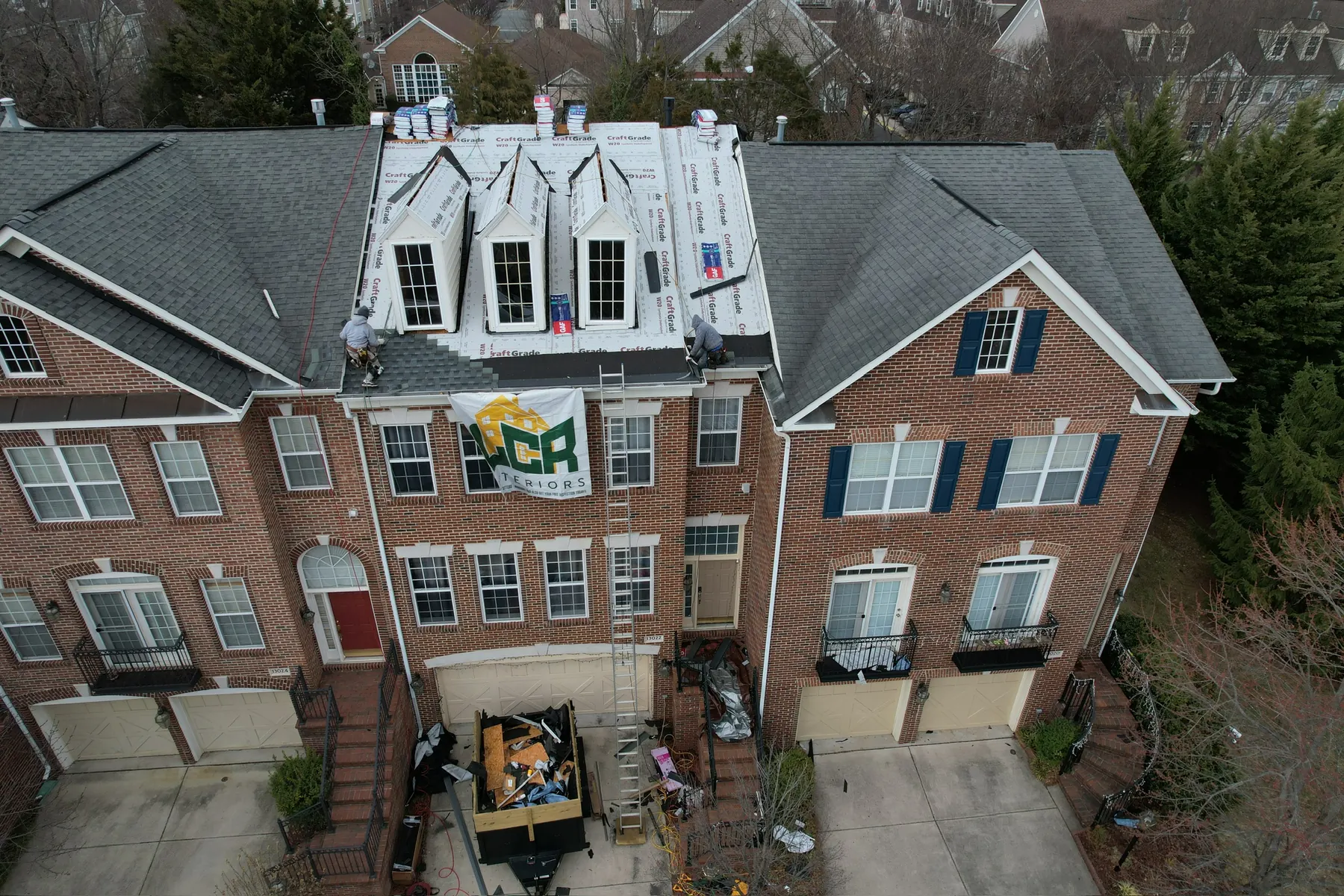
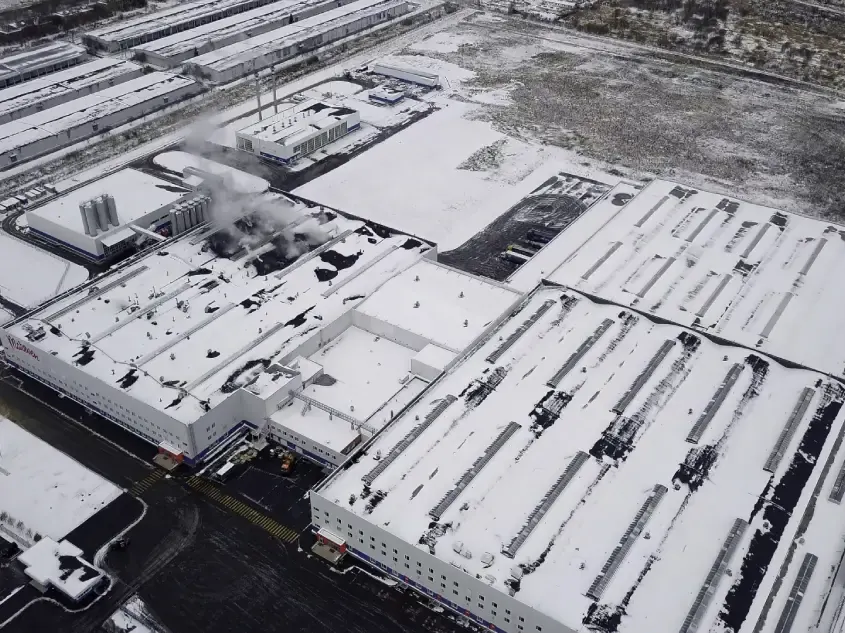
Winter Roof Inspection Checklist for Commercial Buildings in Fairfax, VA
Winter in Fairfax, VA can be tough on commercial roofs. Cold temperatures, snow, and ice can cause property damage if not caught early. That's why it's crucial to inspect your roof's condition for potential problems before the harsh winter season weather hits. A thorough winter roof inspection can save you money and headaches down the road.
Regular checks and regular maintenance help spot small issues before they become big problems. Look for signs of wear, loose materials, or water pooling. Check drains and gutters to make sure they're clear. Don't forget to examine flashing around vents and other roof additions.
A good comprehensive roof inspection covers the whole roof system. This includes the surface, edges, and underlying structure. It's a good idea to have a professional do a full review. They can spot things you might miss and suggest fixes. With proper care, your commercial roof can stand up to winter's severe weather.
Key Takeaways
- Inspect your commercial roof before winter to prevent costly damage
- Check for wear, loose materials, and drainage issues during regular inspections
- Hire a professional roofer for thorough roof evaluations and maintenance advice
Evaluating Roof Condition and Identifying Issues
A thorough roof inspection helps spot problems early and prevent costly damage. Look for signs of wear, leaks, and structural issues to keep your commercial building protected during winter.
Assessment of Roof Surfaces and Material Integrity
Check your roof's covering for damage. Look at asphalt shingles for curling, cracking, or missing pieces. Examine flat roofs for blisters, tears, or splits in the membrane. Feel for soft spots that might mean the roof deck is weak. Check seams and edges where materials join for gaps or separations. Look for loose or missing fasteners that hold roofing materials in place. Make sure roof drains and gutters are clear to prevent water buildup. Take note of any areas with unusual wear or damage. These spots may need extra attention or repairs before severe weather.
Checking for Leak Points and Water Damage
Be sure to check the following areas for signs of leakage. These spots are common places for leaks to start:
- Search for signs of water entry inside your building.
- Look for water stains on ceilings or walls. These can point to roof leaks that need fixing.
- Check around skylights, vents, and chimneys.
- Go into the attic or roof space. Look for wet insulation or wood, which can mean ongoing leaks.
- On the roof, pay attention to low spots where water pools. These areas are more likely to develop leaks over time.
- Inspect seals around roof penetrations like pipes and vents. Make sure they're tight and not cracked or worn.
Spotting Structural and Flashing Concerns
Identifying structural and flashing concerns is essential for safeguarding your home, ensuring its longevity, and protecting your investment. Look for sagging areas on your roof. This can mean the roof structure is weak and needs repair. You should also check the metal flashing around chimneys, walls, and roof edges - make sure it's secure and not pulling away from the roof. Inspect parapet walls for cracks or loose mortar as these issues can let water into your building. Expansion joints are another area of concern; make sure they're not torn or separated, which can cause leaks.
Have there been past repairs? See if they're holding up or if they need more work. In winter, especially in Fairfax, watch for ice dams forming at roof edges. These can force water under roofing materials and cause leaks.
Inspection of Roofing Components and Additions
Checking roofing components and additions is key for winter readiness in Fairfax. You'll want to look closely at parapet walls, edge materials, and any lighting, Christmas lights, or decorations on your commercial roof.
Analysis of Parapet Walls and Edge Materials
Start by looking at your parapet walls. These extend above the roof edge and need to be in good shape. Check for cracks or loose mortar. Make sure the coping (the top part) is secure. It shouldn't wobble when you touch it. Next, inspect the edge materials. This includes metal flashing and drip edges. Look for rust, gaps, or places where they've come loose. These areas can let water in if not fixed. Don't forget to check where the parapet meets the roof surface. This spot often leaks if not sealed right. Look for signs of water stains or damage here.
Review of Lighting Systems and Decorative Elements
Your roof may have lights for safety or looks. Check that all fixtures are tight and sealed. Loose ones can cause leaks. Make sure wires are in good shape and not exposed. If you have holiday lights or displays, now's the time to check them. Look at how they're attached to the roof. Poorly secured items can damage your roof or fall off. For permanent decorations, check their bases. These should be well-sealed to the roof. Look for any signs of rust or wear that could lead to roof damage. Don't forget about skylights if you have them. Check the seals around their edges. Make sure the glass isn't cracked or cloudy.
Maintenance and Preventative Strategies for Fairfax, VA
Regular upkeep and proactive measures are key to keeping commercial roofs in good shape during winter. These strategies help avoid costly repairs and extend the life of your roof.
Strategies for Proper Insulation and Drainage
Proper insulation is crucial for your commercial roof. It prevents heat loss and ice dam formation. Check your insulation yearly and replace damaged sections. Make sure there's enough ventilation in the attic space. Good drainage is also vital. Clean gutters and downspouts before winter hits. Remove leaves, twigs, and debris that could cause clogs. Install gutter guards to keep debris out. Check that water flows freely through the drainage system. Consider adding heat tape to problem areas prone to ice buildup. This can prevent ice dams from forming along the roof edges. Make sure your roof slope is adequate for water runoff. If not, talk to a pro about fixes.
Creating a Sustainable Maintenance Program
Set up a regular inspection schedule for your commercial roof. Aim for at least two checks per year - one in the fall and one in the spring. Keep detailed records of all inspections and repairs. Train your staff to spot early signs of roof damage. Look for water stains, mold, or sagging areas inside. Outside, check for missing shingles, cracks, or ponding water. Report issues right away.
Work with a trusted roofing company for yearly maintenance. They can spot problems you might miss. Budget for routine upkeep to avoid surprise costs later. Small fixes now prevent big headaches down the road. Create a Fairfax winter prep checklist. Include tasks like clearing debris, checking seals, and inspecting flashings. Address any issues before the first snow falls. Have a plan ready for snow removal if needed.
Professional Roofing Services and Customer Care
Hiring a skilled roofing contractor is key for keeping commercial buildings in top shape. Expert roofers offer specialized knowledge and quality workmanship to protect your property.
Choosing a Qualified Roofer in Fairfax for Your Needs
Look for roofers with proper licenses and insurance. Check their experience with commercial roofing systems. Ask about their training and certifications.
Read customer reviews to gauge their reputation. Get multiple quotes to compare services and prices. Make sure they offer warranties on materials and labor.
Ask about their response time for repairs. A good roofer will arrive in a reasonable time when you need help. They should also provide clear communication throughout the project.
Understanding the Benefits of Expert Roofing Services
Professional roofers bring specialized tools and safety equipment. They can spot hidden and serious problems that untrained eyes might miss. This helps prevent small issues from turning into big headaches. Local expert roofers know the best materials for the Fairfax climate. They can suggest energy-efficient options to lower your bills. Their work often lasts longer, saving you money over time.
Good roofers offer follow-up care after installation. They can set up maintenance plans to extend your roof's life. With their help, you can avoid costly emergency repairs down the road.
Frequently Asked Questions
Winter roof inspections for commercial buildings in Fairfax, VA require special attention. These key questions cover important aspects of the process, from critical inspection elements to safety precautions and documentation.
What are the critical elements to include in a commercial roof inspection during the winter months?
Check for ice dams near drains and gutters. Look for signs of water pooling or leaks. Inspect flashing, seals, and membranes for damage from freezing temperatures.
Examine roof edges and parapets for snow buildup. Check ventilation systems to ensure proper airflow. Assess insulation for moisture or compression.
How often should a commercial building's roof be professionally inspected in Fairfax, VA?
Schedule professional regular inspections twice a year - once in the fall and once in the spring. This timing allows for pre-winter preparation and post-winter damage assessment. After severe storms or heavy snowfall, arrange additional inspections. Older roofs may need more frequent checks.
What specific issues should be checked for on a flat commercial roof after a snowfall?
Look for uneven snow distribution, which may indicate insulation problems. Check drains and scuppers for ice blockages.
Inspect for sagging areas that could lead to structural issues. Look for damage to expansion joints or seams from snow weight.
Which safety precautions must be taken when conducting a roof inspection on a commercial building in winter?
Use proper fall protection equipment. Wear non-slip footwear suitable for icy conditions. Clear snow from walkways before inspecting.
Bring a communication device in case of emergencies. Work in pairs when possible. Avoid inspections during active snowfall or high winds.
How do variations in winter weather impact the inspection process for commercial building roofs?
Extreme cold can make roofing materials brittle and prone to potential damage. Thaw-freeze cycles may create hidden ice pockets under snow.
Heavy snow loads require structural integrity checks. Milder temperatures might reveal leaks not visible during freezing conditions.
What steps should be followed to properly document findings during a winter roof inspection of a commercial property?
Take clear, dated photos of problem areas and structural damage. Use a checklist to ensure all components are examined. Record temperatures and weather conditions.
Note locations of issues on a roof diagram. Describe damage in detail, including size and severity. Recommend specific repairs or further assessments.