
Call Us Today
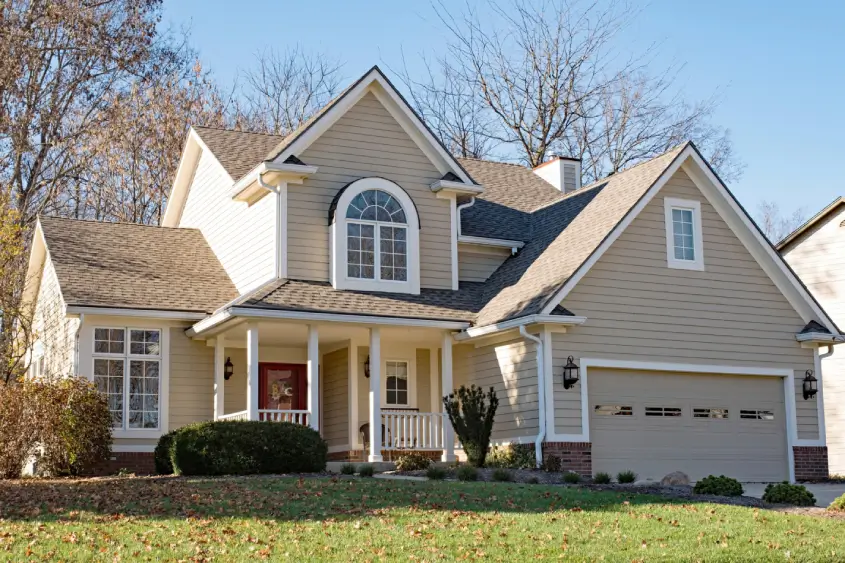
Vinyl siding is a popular choice among homeowners in Northern Virginia due to its durability, aesthetic appeal, and low maintenance requirements. In this blog post, we'll explore various aspects of vinyl siding, from installation to maintenance, and discuss the benefits and drawbacks of this versatile material and the options available for the exterior of your home.
Vinyl siding is a type of exterior cladding made primarily from polyvinyl chloride (PVC) resin. It comes in various color options, styles, and textures, allowing homeowners to customize the look of their home's exterior. Vinyl siding is known for its weather resistance, durability, and relatively low cost compared to other siding materials.
Vinyl siding installation involves several key steps:
Cutting vinyl siding requires precision and the right tools. A circular saw with a fine-toothed blade works well for straight cuts. For smaller, intricate cuts, use tin snips or a utility knife. Always measure twice and cut once to ensure accuracy.
When using a circular saw, it’s advisable to cut the siding face down to prevent chipping. Additionally, using a straight edge or a guide can help ensure straight and even cuts. For curved cuts around windows or other fixtures, tin snips provide the necessary flexibility and control.
Yes, you can paint vinyl siding, but it’s essential to use a paint specifically formulated for vinyl to avoid peeling paint. Choose a color with a light reflective value (LRV) similar to the original siding to prevent excessive heat absorption, which can cause warping.
For good results, before painting, thoroughly clean the siding to remove any dirt, mold, or mildew. Use a primer designed for use on vinyl surfaces to ensure proper adhesion of the paint. Applying the paint with a spray gun can result in a smoother finish, but a high-quality brush or roller can also be used.
Painting vinyl siding can extend its lifespan and refresh its appearance, but it’s important to consider that painted siding may require more frequent maintenance than unpainted siding.
Vinyl siding can last between 20 to 40 years, depending on the quality of the material and how well it is maintained. Proper installation and regular cleaning can extend its lifespan.
Factors that influence the longevity of vinyl siding include the thickness of the material, the quality of the installation, and exposure to extreme weather conditions. Higher-quality vinyl siding with added UV protection can resist fading and degradation more effectively, providing longer-lasting performance.
To clean vinyl siding:
Regular cleaning can prevent the buildup of mold, mildew, and dirt, preserving the appearance and integrity of the siding. In Fairfax and the surrounding areas, where humidity can be high, regular cleaning is especially important to prevent mold and mildew growth.
Pressure washing can effectively clean vinyl siding, but it must be done carefully to avoid damage:
Using a cleaning solution designed for vinyl siding can enhance the effectiveness of pressure washing. Always follow the manufacturer's instructions for both the pressure washer and the cleaning solution.
Small cracks or holes can be repaired using a patch kit or adhesive. For larger damages, it may be necessary to replace the affected section. Always match the new piece with the existing siding to maintain a uniform appearance.
To repair a small crack or hole, clean the area thoroughly and apply a vinyl patch or caulk designed for use on siding. For larger sections, use a zip tool to unlock the damaged panel and remove it. Install the new piece, ensuring it locks securely into place, and nail it loosely to allow for expansion and contraction.
Replacing vinyl siding involves removing the damaged section and installing a new piece. Use a zip tool to unlock the panels and carefully slide the new siding into place. Secure it with nails, ensuring not to overdrive them to allow for expansion.
When replacing siding, it’s important to choose a matching style and color to ensure a seamless appearance. If the siding is older and the color has faded, it may be necessary to replace it with a larger section to achieve a consistent look.
The cost of vinyl siding varies, but on average, it ranges from $2 to $7 per square foot, depending on the quality, style, and region. Prices can fluctuate based on market conditions and the complexity of the installation.
Higher-end vinyl siding options, such as insulated siding or those designed to mimic natural materials like wood or stone, tend to be more expensive. However, these options can offer better insulation and a more authentic appearance, adding value to your home.
The total cost of vinyl siding for a home typically includes the material and installation. For a 2,000-square-foot home, the cost can range from $5,000 to $15,000. Factors such as labor, removal of old siding, and additional features like insulation can affect the final price.
In addition to the initial cost, consider the long-term savings associated with vinyl siding, such as reduced maintenance and energy efficiency improvements. Insulated vinyl siding, for example, can help lower heating and cooling costs by providing an extra layer of insulation.
Today's vinyl siding is a practical and smart choice for a modern look in Fairfax. Opting for vinyl for home exteriors is a big decision. Understanding the installation process, regular maintenance requirements and the pros and cons can help you make an informed one. If you have a major renovation project coming up, you may prefer to work with professional siding contractors who can offer repair services and several options for quality siding products.
Call LCR Exteriors today at 804-606-0944 for a free estimate on vinyl siding installation in Fairfax, VA. Customer satisfaction is our top priority.




© 2022 Terminus Construction Group. All Rights Reserved. PRIVACY POLICY | SITEMAP
 Best Roofer Marketing