
Call Us Today
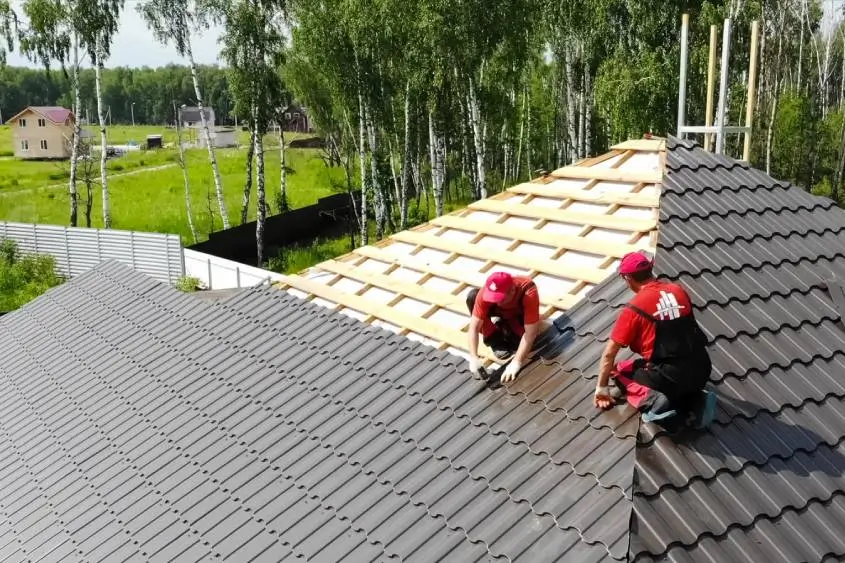
Roof replacement is a big job that requires skill and expertise. Homeowners often feel overwhelmed when it's time to select a roofing company. Choosing the right contractor can make a big difference in the outcome.
A good roofing professional will guide you through the whole process step-by-step. They'll help you pick high-quality materials for your home and budget. They'll also make sure the job is done right, on time, and within your price range.
Roof replacement can boost your home's value and curb appeal. It also protects your house from leaks and weather damage. With the right contractor, you can feel good about your new roof for years to come.
Picking a good roofing contractor is key for a successful roof replacement. A skilled contractor can make sure the job is done right and save you money in the long run.
Look for roofing companies with proper licenses and insurance. Check if they're part of the Better Business Bureau. Ask about their years of experience in roof work. A good contractor will have at least 5 years of experience.
Request proof of worker's compensation and liability insurance. This keeps you safe if someone gets hurt on the job. Make sure the contractor follows local building codes.
Ask for a list of past jobs. A reputable company will gladly share this info. They might even let you talk to their satisfied customers.
Read online reviews from past clients. Look at sites like Google, Yelp, and Angi. Pay attention to comments about work quality and customer service.
Check the Better Business Bureau website for the company's rating. Look for any complaints and how they were handled.
Ask the contractor for local references. Call these people and ask about their experience. Find out if the job was done well and on time.
Get quotes from at least three roofing companies. Make sure each quote covers the same work and materials. This helps you compare prices fairly.
Ask about extra services like free inspections or full replacements.
Look for details on warranties for both materials and labor. A good contractor should offer at least a 5-year warranty on their work.
Check if the quote includes cleanup and disposal of old materials. This can save you time and hassle.
Roofing materials come in many forms, each with unique benefits. The right choice depends on factors like climate, budget, and style preferences.
Asphalt shingles are popular and affordable. They last 15-30 years. Metal roofs are durable and can last 50+ years. They resist fire, wind, and pests. Slate roofs are very long-lasting, often 100+ years. They're heavy and need expert installation.
Wood shakes offer a natural look. They last 20-40 years with proper care. Clay tiles are great for hot climates. They can last 50+ years and resist fire well. Concrete tiles are similar to clay but more affordable.
Rubber roofing is good for flat roofs. It lasts 30-50 years and is low-maintenance. Green roofs use plants to create an eco-friendly option. They can last 40+ years with proper care.
Energy-efficient roofing can cut cooling costs. Cool roofs reflect more sunlight and absorb less heat. This helps keep homes cooler in summer.
Metal roofs are very energy efficient. They reflect heat and can be coated for extra savings. Some asphalt shingles are made with special granules that reflect more sun.
Proper attic insulation boosts roof efficiency. It keeps heat out in summer and in during winter. Roof color also matters. Lighter colors reflect more heat than dark ones.
Some areas offer rebates for energy-efficient roofs. This can help offset the higher upfront cost of some materials.
Roofing plays a big role in a home's look. Different materials create different styles.
Replacing a roof involves several key steps. Homeowners should understand the process to make informed decisions and ensure a smooth project.
A professional roofer starts by checking the entire roof. They look for signs of damage like missing shingles, leaks, or weak spots. The inspector may go into the attic to check for water stains or mold. They measure the roof to figure out how much material is needed.
The roofer takes photos and notes about the roof's condition. This helps them create a detailed report. The report includes what needs to be fixed and how much it might cost. Homeowners get this information to decide what to do next.
Sometimes, only parts of a roof need fixing. Other times, a whole new roof is best. Small issues like a few missing shingles can often be repaired. But major damage or an old roof may need a full replacement.
Roofers look at factors like:
They explain these options to homeowners. This helps people choose the best solution for their home and budget.
Many roof problems are covered by home insurance. If storm damage caused the issue, homeowners can file a claim. The process works like this:
It's smart to have a roofer present during the insurance claim inspection. They can point out damage the adjuster might miss. This helps ensure a fair assessment and proper coverage for needed repairs or a replacement.
A well-maintained roof protects your home and saves money in the long run. Regular care helps spot issues early and keeps your roof in good shape for years to come.
Check your roof twice a year, in spring and fall. Look for loose or missing shingles, cracks, and signs of wear. Clean gutters and downspouts to prevent water buildup. Trim overhanging tree branches to stop leaves from clogging gutters.
Keep an eye out for water stains on ceilings or walls inside your home. These can point to roof leaks. Fix small problems quickly before they turn into big ones.
Have a pro inspect your roof every few years. They can spot issues you might miss and suggest fixes to extend your roof's life.
After storms, check for damage from high winds or hail. Look for lifted shingles, dents, or granules in gutters. Don't wait to fix storm damage. Quick action prevents water damage and more costly repairs later.
If you spot major damage, call a pro right away. They can do emergency repairs to keep your home safe and dry. For smaller issues, schedule repairs as soon as possible.
Take photos of any damage for insurance claims. Keep records of all repairs and inspections.
Roof replacement is a major home improvement project. Many homeowners have questions about finding contractors, costs, and materials.
Ask friends and family for recommendations. Check online reviews and ratings. Contact local roofing associations for referrals. Get quotes from at least three licensed and insured contractors.
Costs vary based on home size, roof pitch, and materials. A basic asphalt shingle roof on an average home might cost $5,000 to $10,000. High-end materials like slate or tile can cost $20,000 or more.
Be wary of door-to-door salespeople or very low bids. Avoid contractors who demand large upfront payments. Check for proper licensing and insurance. Get everything in writing, including warranties.
Asphalt shingles are often the most budget-friendly option. Some synthetic materials mimic pricier options at a lower cost. Metal roofing can be cost-effective long-term due to its durability.
Square footage is a key factor. Roof pitch affects labor costs. Complex designs with multiple angles cost more. The number of layers to remove impacts labor and disposal fees.
Get multiple bids to compare. Ask about discounts for off-season work. See if bundling services like gutter replacement saves money. Discuss the materials that will be used.




© 2022 Terminus Construction Group. All Rights Reserved. PRIVACY POLICY | SITEMAP
 Best Roofer Marketing