Metal vs. Shingles: Weighing the Long-Term Costs and Benefits
The three factors that need to be considered when replacing an old roof or installing a new one are cost, durability, and style. These factors are also crucial when choosing between metal vs. traditional shingles.
Most homeowners are often torn between metal or shingle roofing. This blog will guide you in understanding the difference between metal and shingle to assist you in making a sound decision. When deciding, one must reflect on long-term benefits of each option as this will also dictate the right material for your house.
Comparison of Metal vs. Shingles Roof Costs
When taking into account the cost, a metal roof is initially as costly as asphalt shingles but generally a metal roof has a longer lifespan, is more durable, and saves more energy. Through the course of time, a metal roof may be worth considering as a long-term investment.
Meanwhile, asphalt shingles are inexpensive and simple which make them popular for homeowners looking for an affordable roof. Shingles are also easy to install which cut back on installation costs. However, a regular maintenance and shingle replacement makes it more costly in the long run.
Initial Expenses
Initially, metal roofs are usually more expensive than shingle roofs. The typical installation cost of a metal roof can vary from $5,000 to $35,000 or more based on the size, kind of metal, and degree of design complexity. By comparison, the average cost of a shingle roof is typically less, ranging from $1,500 to $8,000. Among these costs are:
- Materials: The cost of metal roofing materials might be two or three times more than that of asphalt shingles.
- Labor: Because installing metal roofing requires greater expertise, labor prices may increase.
- Additional Costs: Customizations and local building code requirements can add to the total cost.
Long-Term Financial Benefits
It’s not just about the present; one must think about the long-term advantages. Metal roofs have proven to bestow financial benefits over shingles, including financial savings, energy consumption savings, and reduced future repairs.
- Less Maintenance: Compared to shingles, metal roofs are more durable, hence providing cost savings.
- Energy Efficiency: Metal roofs reflect solar heat, which can lower energy costs by reducing the need for air conditioning.
- Durability: They are known for their durability, often lasting 40-70 years, whereas shingle roofs may require replacement every 15-30 years.
- Long-Term Savings: The additional upfront cost of metal roofs can be offset by their long-term savings, including potentially higher home resale value.
By considering both the immediate and future financial implications, homeowners can make an informed decision on which roofing material will be most cost-effective for their specific situation.
Durability and Lifespan
When considering roofing materials, the durability and lifespan are crucial factors. Metal roofs often outlast asphalt shingles, withstanding harsh weather conditions with less frequent need for replacement.
Metal Roof Longevity
This type of roofing typically lasts for 40 to 70 years which makes it popular among residential owners. Moreover, it can withstand harsh conditions including storms and heavy winds. Its maximum lifespan relies upon:
- Regular Maintenance: Regular inspection to check for possible damages and minor issues are necessary to insure a longer lifespan.
- Resistance to Severe Weather: In contrast to other types of roofs, metal roofs are designed to combat severe weather.
Asphalt Shingles Life Expectancy
Life duration of this roof extends for 15 to 30 years and can be affected by:
- Harsh Weather Conditions: Asphalt shingles are more vulnerable to deterioration from harsh weather conditions.
- Maintenance Needs: They often require more regular maintenance than metal roofs to reach their maximum lifespan.
- Weather-Induced Damage: In cases of extreme weather, such as heavy rain and high winds, asphalt shingles may sustain damage that necessitates roof replacement sooner than with metal roofs.
Installation and Maintenance
Method for Metal Roof Installation
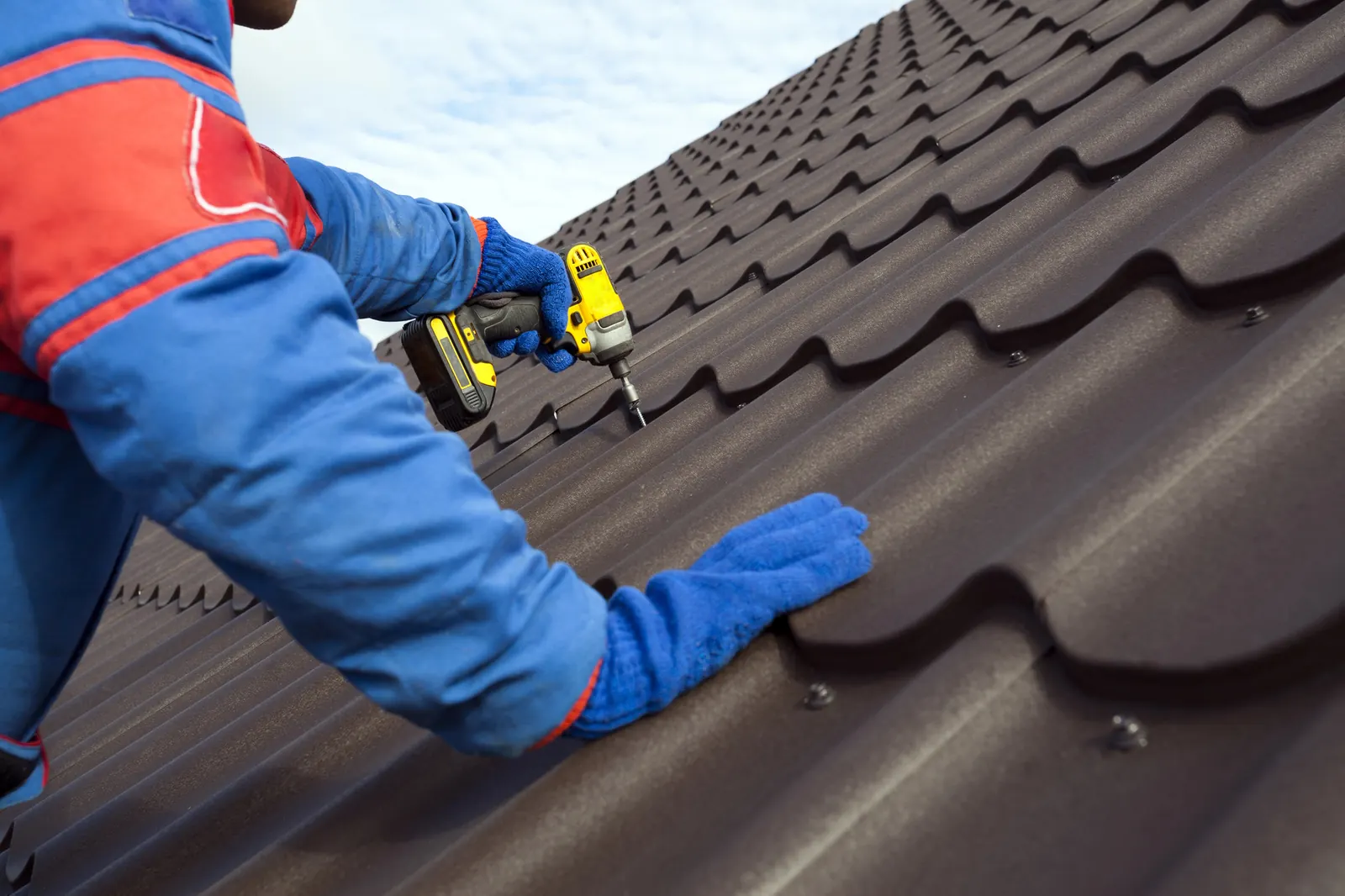
Installation of metal roofs should be handled by seasoned specialists as proper installation is necessary to ensure overall performance. Homeowners should inquire about types of metal to be utilized; choices typically involve copper, steel, and aluminum. Metal roofs are composed of solid substrate and are often supplemented with an underlayment for extra security.
A precise measurement is made before cutting and placing it into the top roof deck. Expertise is needed when working with installation to ensure seam reinforcement, proper alignment, and clearance for thermal contraction and expansion.
- Materials: Often include metal panels, underlayment, fasteners, and flashing.
- Tools: Specialized cutting tools, fastening equipment, and safety gear.
- Time Frame: Varies depending on complexity and size but can be longer than asphalt shingles installation.
- Cost Factors: Upfront costs are typically higher for labor and materials compared to asphalt shingles.
Maintenance Requirements for Shingles
Shingle roofs, particularly those using architectural or asphalt roofing materials, require regular maintenance to ensure longevity. They are sensitive to algae and moss growth, which necessitates periodic cleaning. Shingles may also lose granules over time, and replacing damaged or missing shingles is a part of roof maintenance to prevent leaks.
- Inspections: Recommended twice a year and after significant weather events.
- Cleaning: Required occasionally to remove moss, algae, or debris accumulation.
- Repair Frequency: Potentially more often due to damage from weather or environmental factors.
- Maintenance Costs: While individual repairs might be less expensive, the frequency of required maintenance may add up over time.
Regular maintenance is critical for both roof types, but metal roofs generally require less frequent interventions. This can lead to a lower lifetime maintenance cost for metal roofs compared to shingle roofs, though the initial installation investment for metal is typically higher.
Energy Efficiency and Cost Savings
In terms of energy savings, homeowners can expect a notable difference in their energy bills. A metal roof’s r eflectivity typically leads to a cooler attic space, which in turn means that air conditioning systems don’t have to work as hard to maintain a comfortable temperature inside the home. Here's a breakdown of potential energy savings:
- Summer Cooling: Reductions in cooling costs can be as much as 10-25%.
- Winter Heating: Insulative properties of metal roofs help keep heat inside.
With the potential for long-term savings on energy bills, even with the higher initial investment, a metal roof can be more cost-effective. The longevity of metal roofing materials also means they need replacement less frequently than shingles, contributing to total cost savings over time.
Furthermore, the durability of metal roofs leads to minimal maintenance requirements, which is an added financial benefit not directly linked to energy efficiency but relevant to overall lifecycle cost reduction.
The table below summarizes key points:
| Aspect | Metal Roof | Asphalt Shingles |
| Initial Cost | Higher | Lower |
| Longevity | 40-70 years | 15-30 years |
| Maintenance | Minimal | Regular |
| Energy Bill Savings | High | Moderate |
Aesthetic and Architectural Considerations
Choosing between metal and shingle roofing involves considering the aesthetic appeal and how the material matches with a home's architectural style. These aspects can influence a home’s resale value and the owners' satisfaction with the chosen roofing solution.
Metal Roof Aesthetic Appeal
Metal roofs offer a modern look that can dramatically change a home's appearance. They come in various colors and finishes, allowing customization according to personal preferences. The aesthetic appeal of metal roofs is characterized by:
- Clean lines: Metal roofing can provide a sleek, contemporary aesthetic.
- Variety of styles: Options range from standing seam to metal tiles that mimic traditional materials.
This variety can significantly affect a home's resale value, as the distinctive modern look of metal can be a primary concern for buyers seeking a contemporary style.
Shingle Roofs and Architectural Styles
Shingle roofs, particularly architectural shingles, blend well with various architectural styles and have a more traditional appearance. They are favored for:
- Classic look: Shingles offer a timeless aesthetic compatible with many architectural designs.
- Texture and depth: Architectural shingles create a dimensional look as they mimic the appearance of wood or slate.
These characteristics can be vital for homeowners looking for the perfect roofing solution that complements the existing architecture without deviating from traditional aesthetics, potentially preserving or enhancing the home's resale value.
Environmental Impact and Roofing Options
As someone who might be concerned not just by the cost and style of roofs but also its impact on the environment, this section will help you clarify your decision. Here are advantages and disadvantages of metal roofs to shingle ones.
Environmental Advantages of Metal Roofs
Metal roofing systems, including standing seam metal roofs, are lauded for their environmental benefits. They are often manufactured from recycled materials and are fully recyclable at the end of their life. In terms of energy efficiency, a metal roof reflects solar radiant heat, which can reduce cooling costs by 10-25%. Metal roofs are also durable, with a lifespan that can exceed 50 years, reducing the frequency of replacement.
Compatible with solar panels, metal roofs are a popular choice for homeowners looking to invest in renewable energy. Furthermore, the interlocking design of seam metal roofs enhances their ability to withstand severe weather, reducing the likelihood of replacement following extreme events.
Asphalt Shingles and the Environment
Asphalt shingles are the most common type of roof in the United States, primarily due to their lower upfront cost. However, they present several environmental concerns. Typically, asphalt shingles have a shorter lifespan of around 20 years, which contributes to increased waste in landfills. Unlike most metal roofing systems, asphalt shingles are seldom recycled due to the difficulty of separating the asphalt from other materials.
Asphalt roofing's energy efficiency is inferior when compared to metal roofing options. They absorb heat rather than reflect it, contributing to the urban heat island effect and potentially increasing air conditioning expenses. Nonetheless, advancements in recycling and production processes are being made to mitigate the environmental impact of asphalt shingle roofing.
FAQs
What aspects does shingle and metal roofing differ when it comes to effect on cost?
Generally, these factors are greatly influenced by labor, warranty policy, strength and energy efficiency. Roof shingles usually have lower material and installation cost but have lower lifespan.
Is metal roofs worth the cost over time?
Although costly initially, metal roofs are worth considering due to their low maintenance and longer lifespan.
When having an average-sized residential house, how does the initial cost of metal roofs compare to classic shingle roofs differ?
For an average-sized home, the upfront cost of a metal roof can be 2 to 3 times more compared to a traditional shingle roof. However, this cost is offset over time through the extended lifespan of metal roofs and potential energy savings.
What potential maintenance costs can homeowners expect with metal roofs compared to shingle roofs?
Due to its high flexural strength, metal roofs can withstand heavy forces caused by wind, hail or deterioration. Meanwhile, asphalt shingle roofs when subjected to extreme weather conditions may incur more costly repairs.
How does the lifespan of shingle and metal roofs affect its total cost?
Roof shingles often last 15 to 30 years from installation which can be considered reasonable for their cost. However, although pricey at first purchase, metal roofs extend the life of the roof to 40-70 years which allows for significant savings through time.
Do weather conditions affect cost-investment on metal roofs as compared to shingles?
When considering weather, metal roofs are much more durable which leads to decreased replacement and maintenance costs. This is contrary to shingle roofs, which are more susceptible to weather damages leading to less material duration.